
Electric Vehicles That Got the Axe: Canceled and Discontinued Models

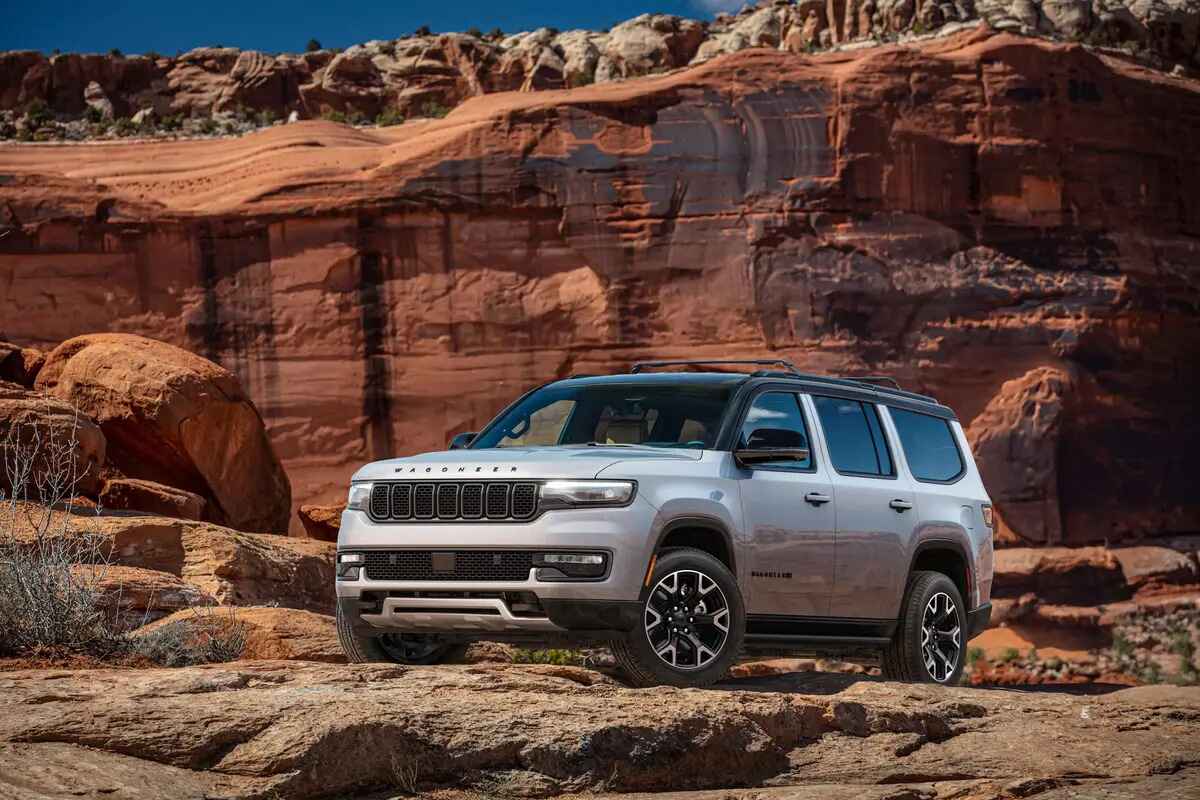
Electric Vehicles That Got the Axe: Canceled and Discontinued Models
The EV revolution promised a cleaner, greener future—but 2025 has proven that not every electric dream can stay on the road. Several highly anticipated electric vehicles have been canceled, paused, or quietly discontinued this year, leaving enthusiasts and investors puzzled.
Table of Contents
- Electric Vehicles That Got the Axe: Canceled and Discontinued Models
- Why Some Electric Vehicles Are Being Canceled in 2025
- Shifts in Consumer Demand and EV Analytics
- The High Cost of Battery Technology
- The Struggle Between Innovation and Profitability
- Dodge Electric Car: What Happened to the Promising Muscle EV?
- Charger Daytona 2025: A Vision Paused or a Dream Deferred?
- The Future of the 2025 Charger EV
- Genesis Electric SUV Production Pause: A Strategic Reset
- What the Pause Means for Hyundai’s Luxury Arm
- Potential Reasons Behind the Genesis Delay
- Acura EV: A Quiet Entry That Stalled
- Collaboration Challenges with Honda and GM
- What Lies Ahead for Acura’s Electric Future
- Maserati Electric Car: Luxury Meets Limitations
- Why the Italian Brand Hit the Brakes on Its EV Ambitions
- Maserati’s Future Electrification Plans
- Nissan’s EV Lineup: From Ariya to Daytona—Mixed Signals
- Ariya Nissan: The Crossover That Struggled to Stay Relevant
- Nissan Daytona: A Concept That Never Reached the Track
- Who Killed the Electric Car (Again)?
- Lessons from the Early 2000s EV Collapse
- What Automakers Can Learn from 2025’s Cancellations
- The Road Ahead: What 2025 Electric Vehicles Can Teach Us
- Shifting Strategies Toward Plug-in Hybrids and Efficiency
- The Importance of Market Timing and Consumer Trust
- Conclusion: The EV Revolution Isn’t Dead—It’s Evolving
From Dodge’s electric muscle car to Genesis’s luxury SUV pause, the industry is recalibrating its path toward electrification. Let’s dive into what went wrong, what’s next, and what these cancellations reveal about the future of electric mobility.
Why Some Electric Vehicles Are Being Canceled in 2025
The global auto industry is under intense pressure. Between economic shifts, raw material costs, and inconsistent demand, many manufacturers are pulling back on EV expansion plans.
Shifts in Consumer Demand and EV Analytics
According to recent EV analytics, consumer interest has plateaued. Many car buyers still hesitate due to charging infrastructure limitations, range anxiety, and higher upfront costs compared to gas-powered models.
Automakers are now studying data-driven EV analytics to pinpoint which models resonate with customers—and which ones don’t. Those falling short are being cut to save resources.
The High Cost of Battery Technology
Battery costs remain a major roadblock. As lithium prices fluctuate, even giants like GM, Stellantis, and Hyundai have faced tough decisions about EV profitability. Some vehicles are simply too expensive to produce at scale.
The Struggle Between Innovation and Profitability
Innovation drives the EV market, but profitability sustains it. Automakers that rushed to launch new EVs often underestimated production complexity, chip shortages, and software integration issues. These growing pains are forcing strategic resets across the board.
Dodge Electric Car: What Happened to the Promising Muscle EV?
Few announcements stirred as much excitement as Dodge’s first electric muscle car. The brand known for raw power and roaring engines seemed ready to redefine performance with electric torque.
Charger Daytona 2025: A Vision Paused or a Dream Deferred?
The Charger Daytona 2025 was touted as the ultimate bridge between muscle tradition and electric innovation. Its bold design, synthetic exhaust notes, and powerful motor had fans eager for the next generation of Dodge power.
However, reports suggest production hurdles and internal cost reviews caused delays. The 2025 Charger EV might still appear, but perhaps not as soon—or as powerfully—as originally planned.
The Future of the 2025 Charger EV
While the Charger Daytona 2025 project isn’t officially dead, it’s clear that Dodge is treading carefully. Market timing, pricing, and charging infrastructure will determine if this electric muscle car finally hits the streets or remains a concept dream.
Genesis Electric SUV Production Pause: A Strategic Reset
Genesis, Hyundai’s luxury division, made big waves with its sleek electric lineup. But in early 2025, production of a key Genesis electric SUV was unexpectedly paused.
What the Pause Means for Hyundai’s Luxury Arm
This production pause doesn’t signal retreat—it’s a strategic recalibration. Genesis aims to refine its battery supply chain, update software systems, and align future releases with market readiness.
Potential Reasons Behind the Genesis Delay
Industry insiders point to battery shortages, high development costs, and declining luxury EV demand as contributing factors. Still, Genesis is expected to resume production once conditions stabilize.
Acura EV: A Quiet Entry That Stalled
Acura, Honda’s premium brand, entered the EV race later than most competitors. Partnering with GM for Ultium battery technology, Acura aimed to electrify its lineup by 2025. But plans have slowed.
Collaboration Challenges with Honda and GM
Sources indicate supply chain difficulties and cost-sharing challenges between Honda and GM have delayed production timelines. The first Acura EV SUV—initially expected in 2024—may now debut later than anticipated.
What Lies Ahead for Acura’s Electric Future
Acura’s strategy is shifting toward plug-in hybrids as a transition step. While the EV debut may be delayed, the brand remains committed to full electrification by the early 2030s.
Maserati Electric Car: Luxury Meets Limitations
When Maserati unveiled its electric ambitions, enthusiasts envisioned Italian performance paired with cutting-edge technology. But the journey has been bumpier than expected.
Why the Italian Brand Hit the Brakes on Its EV Ambitions
Reports suggest Maserati’s electric car lineup suffered from low demand projections and high development costs. Luxury buyers remain loyal to traditional combustion models, valuing sound and sensation over silence.
Maserati’s Future Electrification Plans
Despite delays, Maserati hasn’t abandoned its EV dream entirely. The brand plans to revisit its electric strategy with hybrid support and a potential relaunch after 2026.
Nissan’s EV Lineup: From Ariya to Daytona—Mixed Signals
Nissan has long been a pioneer in electric mobility, thanks to the Leaf. But recent years have revealed growing pains in its expanded lineup.
Ariya Nissan: The Crossover That Struggled to Stay Relevant
The Ariya Nissan was positioned as a direct competitor to Tesla’s Model Y. Despite its stylish design and solid range, supply issues and steep pricing limited its success. As of 2025, the Ariya’s production has reportedly slowed amid declining demand.
Nissan Daytona: A Concept That Never Reached the Track
Another mysterious case is the Nissan Daytona—an electric performance concept rumored to rival Dodge’s Charger EV. However, it never made it to production, illustrating Nissan’s struggle to balance performance innovation with financial caution.
Who Killed the Electric Car (Again)?
The phrase “Who killed the electric car?” originally referred to the early 2000s EV collapse, when promising prototypes vanished due to market resistance and regulatory apathy. In 2025, history seems to be echoing.
Lessons from the Early 2000s EV Collapse
Just like two decades ago, overpromising and underdelivering have caused consumer skepticism. However, this time, EVs are here to stay—the cancellations represent course corrections, not failure.
What Automakers Can Learn from 2025’s Cancellations
Transparency, infrastructure investment, and realistic production goals are key to rebuilding confidence. Brands that learn these lessons will lead the next chapter of electric evolution.
The Road Ahead: What 2025 Electric Vehicles Can Teach Us
Shifting Strategies Toward Plug-in Hybrids and Efficiency
Many automakers are temporarily pivoting to plug-in hybrid vehicles (PHEVs). These offer electric efficiency without full dependence on charging networks, a smart middle ground until infrastructure improves.
The Importance of Market Timing and Consumer Trust
Success in the EV market isn’t about speed—it’s about timing. Brands that build trust, deliver on range promises, and offer affordable pricing will dominate as the next wave of innovation rolls out.
Conclusion: The EV Revolution Isn’t Dead—It’s Evolving
The cancellations and pauses of 2025 don’t mark the end of the electric revolution—they highlight its growing pains. Brands like Dodge, Genesis, Acura, Maserati, and Nissan are refining their strategies, learning from missteps, and preparing for a more stable, efficient EV future.
At Autosadvise, we believe that understanding these shifts helps car enthusiasts and everyday drivers stay ahead of the curve. The road to electrification is long, but every setback brings valuable insight—and the next generation of electric vehicles will be stronger for it.


Latest Posts

Lorem ipsum dolor sit amet, consectetur adipiscing elit. Ut elit tellus, luctus nec ullamcorper mattis, pulvinar dapibus leo.
No Comments