
Lightning rarely strikes twice. Unless you are a Honda tire repair kit. Honda is recalling 4,804 Accord and CR-V hybrids for a second time over a sealant bottle cap that can detach forcefully enough to injure someone standing nearby. The truly unusual part: every one of these vehicles already went through the original recall in June 2026. The replacement parts installed back then turned out to be faulty too.
It is the Total Recall remake nobody asked for: the same defect, the same cars, a second run at the dealership. Here is what went wrong, which vehicles are affected, and what owners should do now.
What Goes Wrong With the Tire Repair Kit
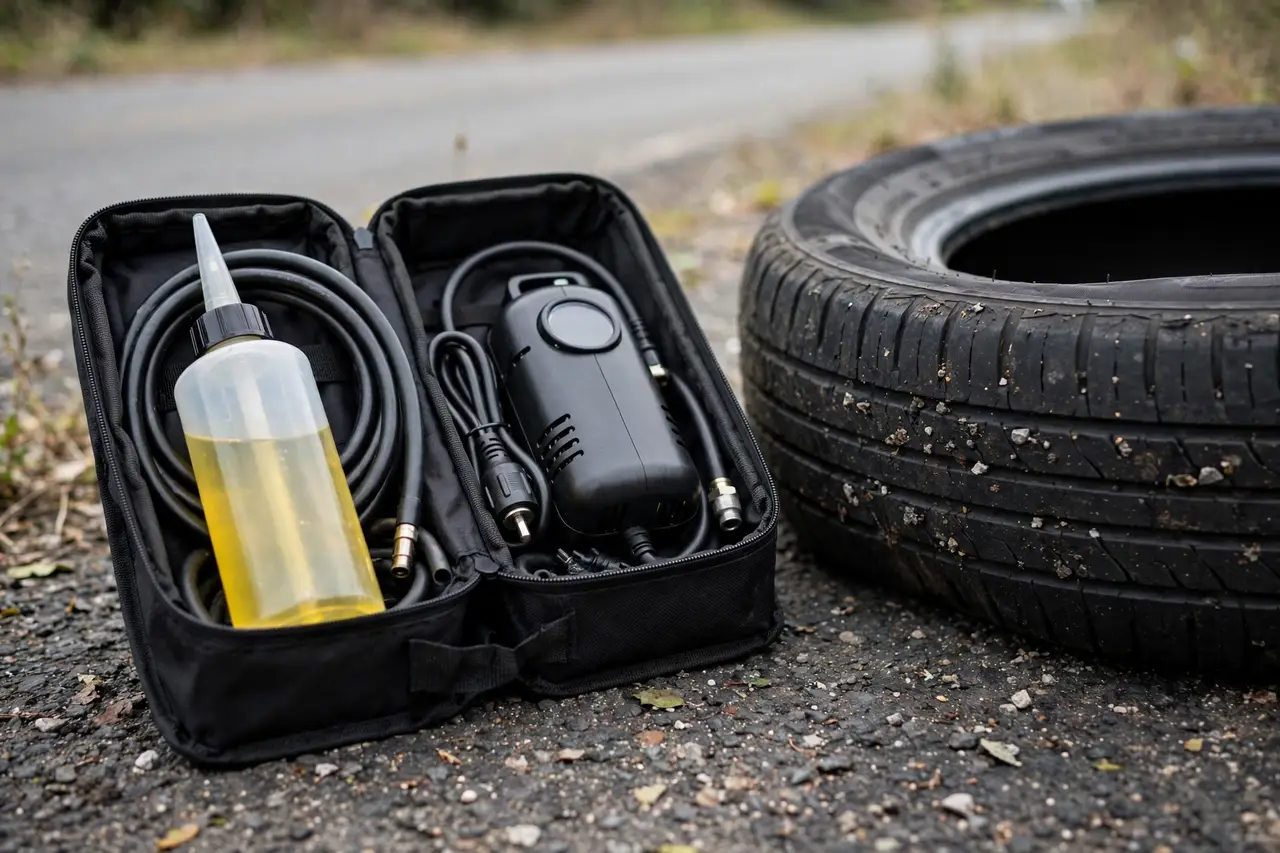
Modern Hondas like the Accord Hybrid and CR-V Hybrid do not carry a spare tire. Instead, they come with an emergency tire repair kit: a bottle of sealant and a small compressor with a nozzle that is supposed to be connected to the tire valve.
The problem is in the nozzle, which is fitted with a one-way valve. If the nozzle is not properly connected to the tire valve when the kit is running, pressure builds up inside the sealant bottle. Should the relief valve fail to vent that pressure, the bottle cap can blow off with real force. NHTSA’s own summary of the defect is blunt: a detached bottle cap can become a projectile and strike the user or anyone standing nearby, increasing the risk of injury.
No injuries had been reported in connection with the defect at the time Honda filed the recall. But a plastic cap launched under pressure is not something you want to test.
Which Hondas Are Affected
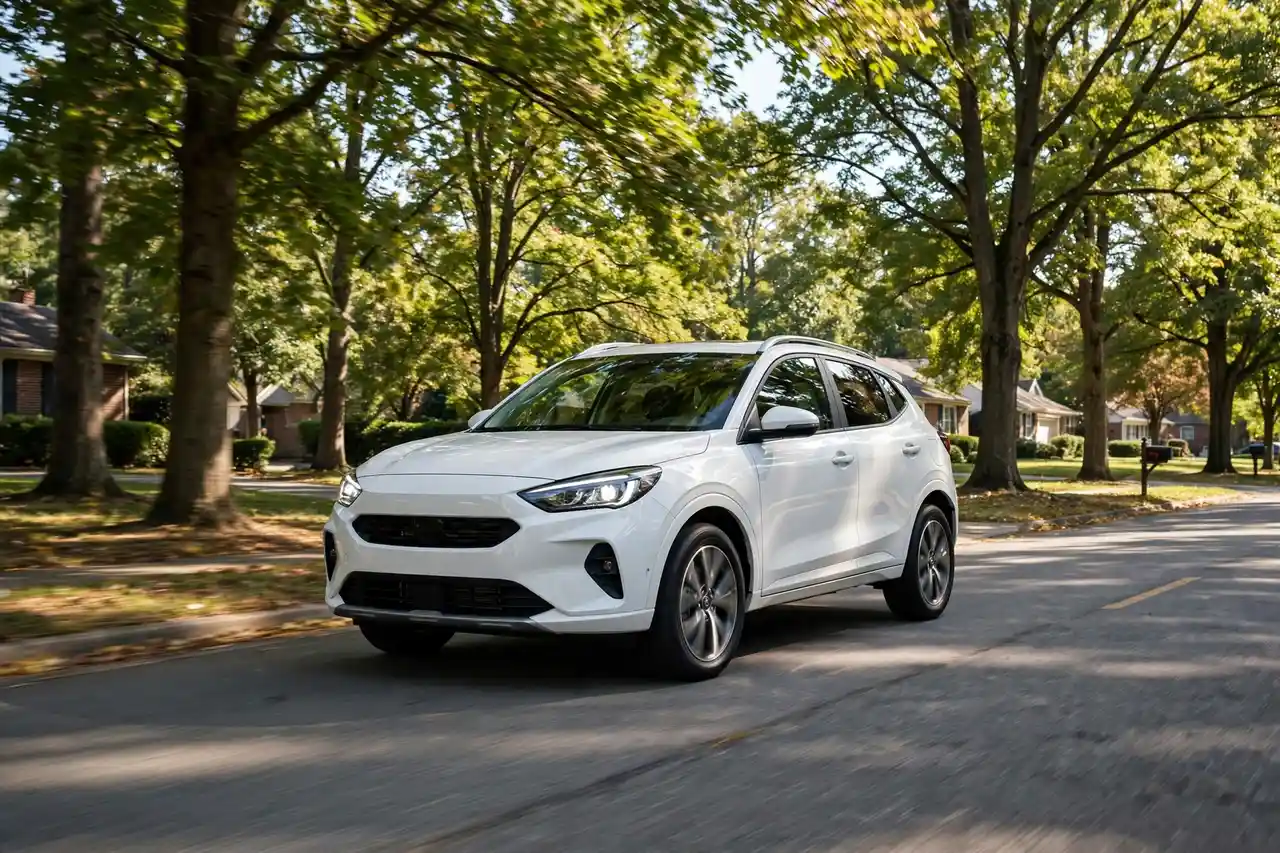
The new campaign is NHTSA recall 26V663 (Honda’s internal recall number is PPW), and it covers 4,804 vehicles:
- 2,745 CR-V Hybrids
- 2,058 Accord Hybrids
- 1 CR-V Fuel Cell EV
By model year, that means the 2023–2026 Accord Hybrid, the 2023–2026 CR-V Hybrid, and the 2025–2026 CR-V Fuel Cell EV. Honda estimates that only about 1% of these vehicles actually carry the defective part. But every owner in the group is being asked to come in for an inspection.
For perspective, the original June 2026 recall (NHTSA 26V366) covered more than a million Accords and CR-Vs in the United States, plus another 118,000 in Canada. The vast majority of those were fixed correctly the first time. This redo targets only the unlucky few thousand whose cars received a bad replacement part.
Why the First Repair Failed
This is where the story gets embarrassing for Honda’s supply chain. According to the recall filing, supplier TEK Corporation never properly separated the defective nozzles from the corrected replacements. Old and new components were mixed together in its warehouse, and the faulty parts were shipped to dealerships as if they were the fix.
A Honda dealership discovered the mix-up on July 3, 2026, which triggered the investigation that identified the affected vehicles. The redesigned remedy nozzle eliminates the one-way valve entirely, removing the pressure-buildup path behind the original defect.
What Owners Should Do Now
If you own one of the affected models, here is the timeline:
- October 17, 2026: VINs become searchable on NHTSA.gov and Honda’s recall lookup. This is the fastest way to check your car.
- Around October 9, 2026: Honda notified its dealers, so service departments already know about the campaign.
- November 16, 2026: Owner notification letters start going out by mail.
- The fix: Dealers inspect the tire repair kit and replace the nozzle as needed, free of charge. Owners can also call Honda customer service at 1-866-784-1870.
Importantly, NHTSA issued no do-not-drive or park-outside warning for this recall. The risk only exists while you are actively operating the tire repair kit. If you get a flat before your dealer visit, follow the kit’s instructions exactly, make absolutely sure the nozzle is fully connected to the tire valve before switching the compressor on, and keep your face and any helpers clear of the bottle while it runs.
Handle the Kit Like It Means It
A few safe-handling habits are worth adopting whether or not your car is in the recall group. Store the kit exactly the way Honda packed it: bottle upright in its carrier, cap facing up. The riskiest setup is a pressurized bottle left lying in a prone bone position (face-down with pressure pushing straight against the cap), so never improvise with how the bottle sits while the compressor runs.
If you are researching the issue online, search for the NHTSA campaign number 26V663 rather than guessing at spellings. Owners type queries like “p r o n e to flying bottle caps” into Google with every imaginable spacing, but the campaign number takes you straight to the official record.
Shopping for a Used Honda Accord? Check the Recall First
This recall is also a useful reminder for used-car shoppers. If you are browsing listings for a used Honda Accord for sale, particularly a 2023 or newer hybrid, run the VIN through NHTSA’s recall lookup before you sign anything. Recalls follow the car, not the owner, and the remedy is free, but you would much rather discover an open recall during negotiation than in your driveway a month later.
The same advice applies to any Honda Accord for sale from the affected model years, dealer or private party: ask the seller directly whether the 26V663 remedy has been completed, and verify it yourself with the VIN. A seller who has the paperwork ready is a seller who maintained the car.
What About Older Accords?
Searches for Honda Accord 2014 reliability remain popular year after year, and the 9th-generation Accord earned that reputation honestly. But if you own or are eyeing one, this story does not apply to your car. The bottle-cap defect is specific to the 2023–2026 Accord Hybrid, the current 11th generation, and its CR-V Hybrid sibling. Older Accords, including the much-loved 2014, use entirely different equipment and are not part of either the original recall or this redo.
Learn More
- Car Recall Guide: What to Do If Your Car Is Recalled: the full step-by-step process, from VIN lookup to the dealer visit.
- 2026 Honda Accord: Price, Specs, MPG & Full Review: our in-depth review of the current Accord.
- 2026 Honda CR-V: Price, Specs, MPG & Full Review: our in-depth review of the current CR-V.
Frequently Asked Questions
Is my Accord or CR-V part of the redo recall?
If you own a 2023–2026 Accord Hybrid, a 2023–2026 CR-V Hybrid, or a 2025–2026 CR-V Fuel Cell EV that was already serviced under the June 2026 tire-kit recall, it might be. Check your VIN on NHTSA.gov or Honda’s recall site starting October 17, 2026.
I already had the first recall repair done. Do I really need to go back?
Possibly, yes. About 4,804 vehicles received replacement nozzles that were themselves faulty because the supplier mixed old and corrected parts. The only way to know is a VIN check or a dealer inspection, both free.
Is it safe to keep driving my car?
Yes. NHTSA did not issue a do-not-drive warning for this recall. The defect only presents a risk while the tire repair kit is being operated. Normal driving is unaffected.
How much will the fix cost me?
Nothing. Dealers will inspect the tire repair kit and replace the nozzle if needed, free of charge, under recall 26V663 (Honda PPW).
When will Honda notify owners?
Owner notification letters are scheduled to be mailed starting November 16, 2026. You do not have to wait for the letter. Check your VIN online from October 17 or call Honda at 1-866-784-1870.

Content Writer at AutosAdvise. Thomas Mills covers new car reviews, prices, specifications, and buying guides. He aims to make every article clear, practical, and easy to understand — so readers can compare models with confidence and choose the right car for their needs.